
Filo pastry, also known as phyllo pastry, is a thin crispy pastry used in Greek and Middle Eastern recipes. In this guide you will learn how to use filo pastry, how to stop it drying out along with other filo pastry tips. You will also find a selection of vegetarian filo pastry recipes, both savoury and sweet, to try at home.
What is filo pastry?
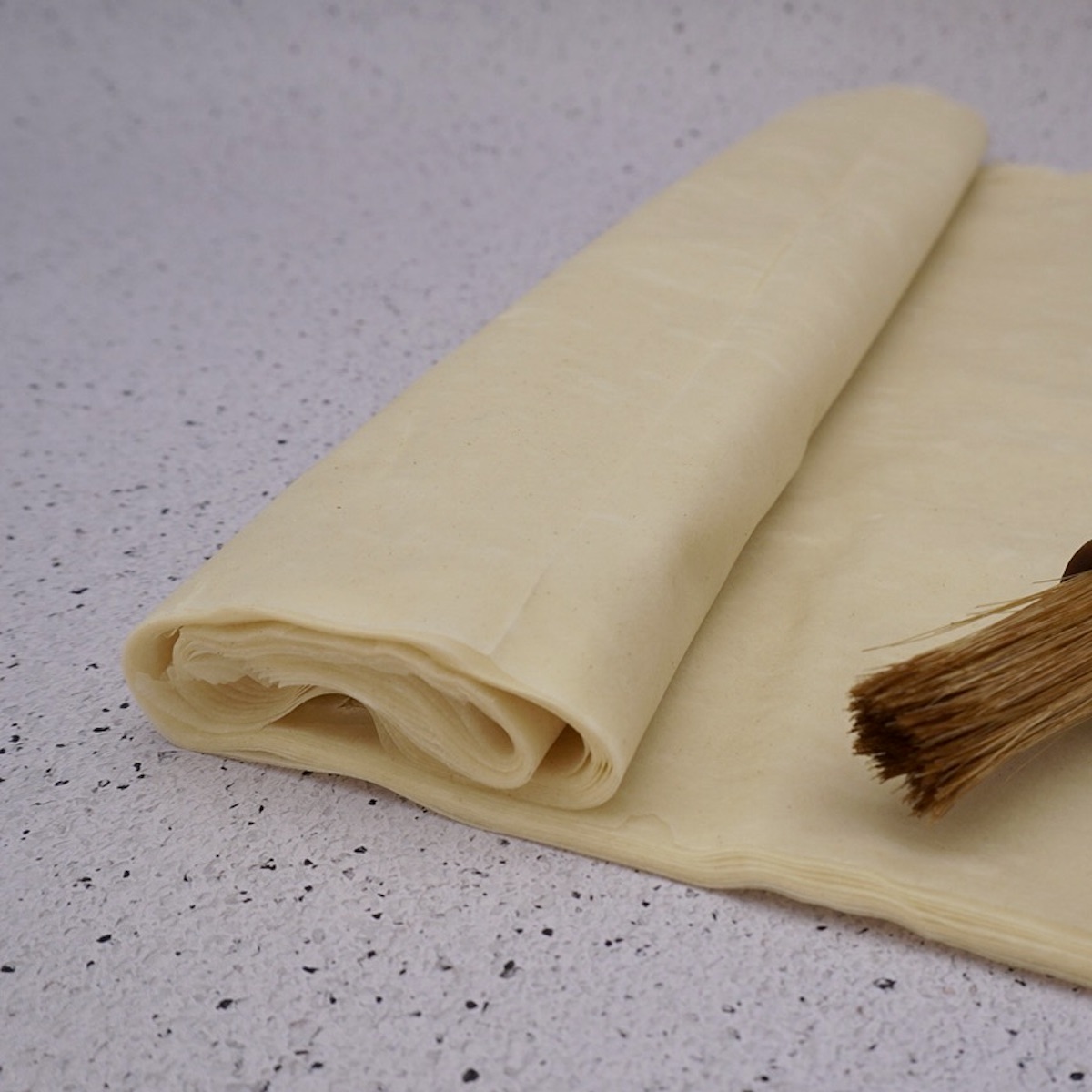
Filo is a light, crisp pastry typically made using flour, oil, water and salt. It is formed into paper thin sheets which resemble sheets of paper. When baked it creates a beautiful flaky texture making it perfect for pies, parcels, tarts and desserts.
It is popular in Greek and Middle Eastern dishes such as spanakopita and baklava. It is also perfect for forming a parcels such as samosas or for making a quick and easy quiche case.
How to buy filo sheets
Filo pastry is widely available in UK supermarkets where you can buy packs of filo sheets either fresh or frozen. Ready made filo pastry is usually stacked in a pile and rolled before packaging.
I recommend buying a good quality brand as I have found better quality filo sheets are easier to handle. They often have a better flavour and texture too.
How to stop filo drying out
- Keep the filo sheets in their wrapping until you are ready to use them.
- Have everything ready - flan dish, baking tray, etc, and the olive oil (or melted butter) and pastry brush - before unwrapping the filo sheets.
- Only remove the sheets that you are going to use from the packet. Re-wrap any sheets you are not going to use immediately and return to the fridge as soon as possible.
How to use filo pastry
- Unroll one sheet at a time and lay in position, eg on a baking sheet or over a pie dish.
- Lightly brush with olive oil or melted butter using a pastry brush.
- Repeat using the number of sheets of filo needed for the recipe you are following (typically 3 sheets).
Make a filo quiche case
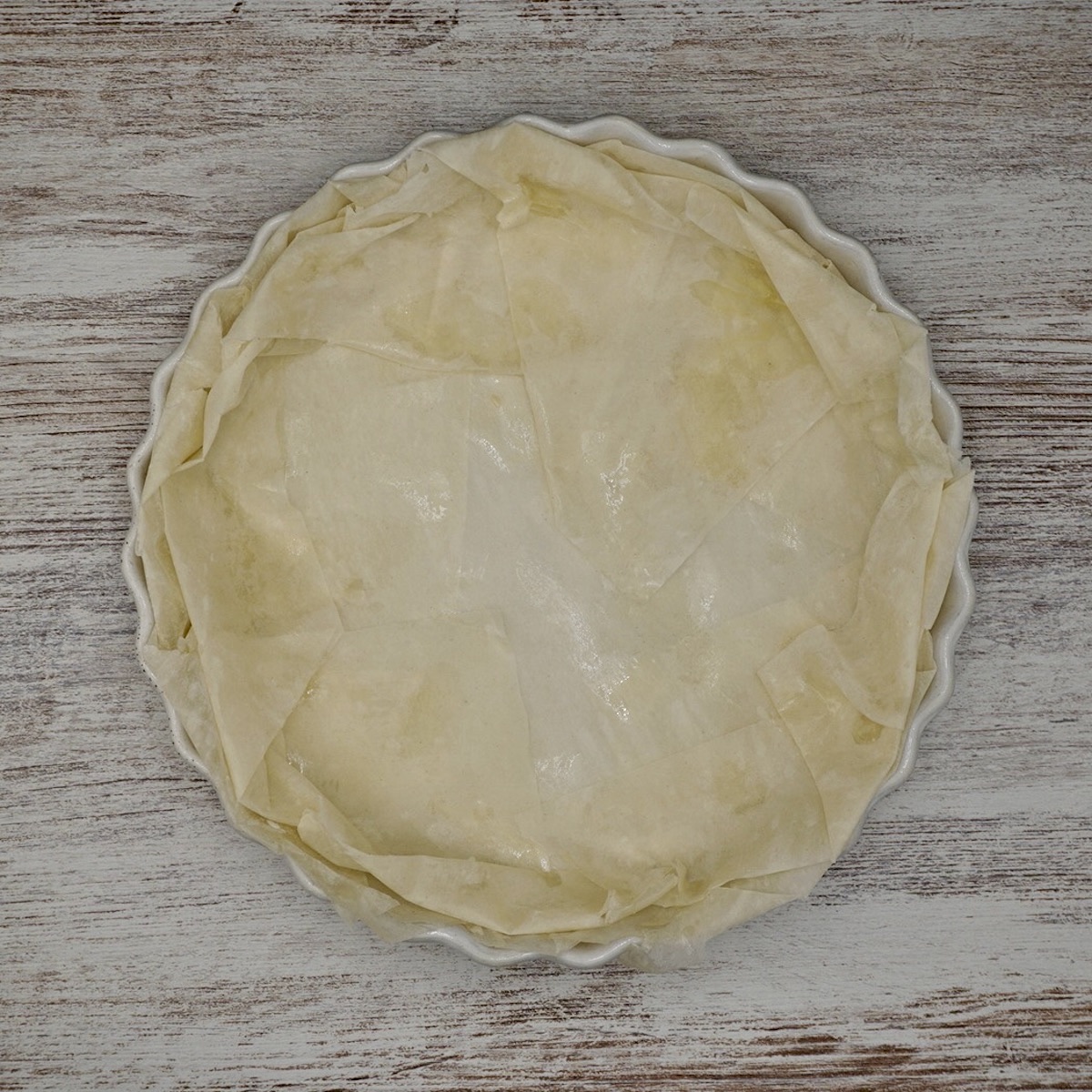
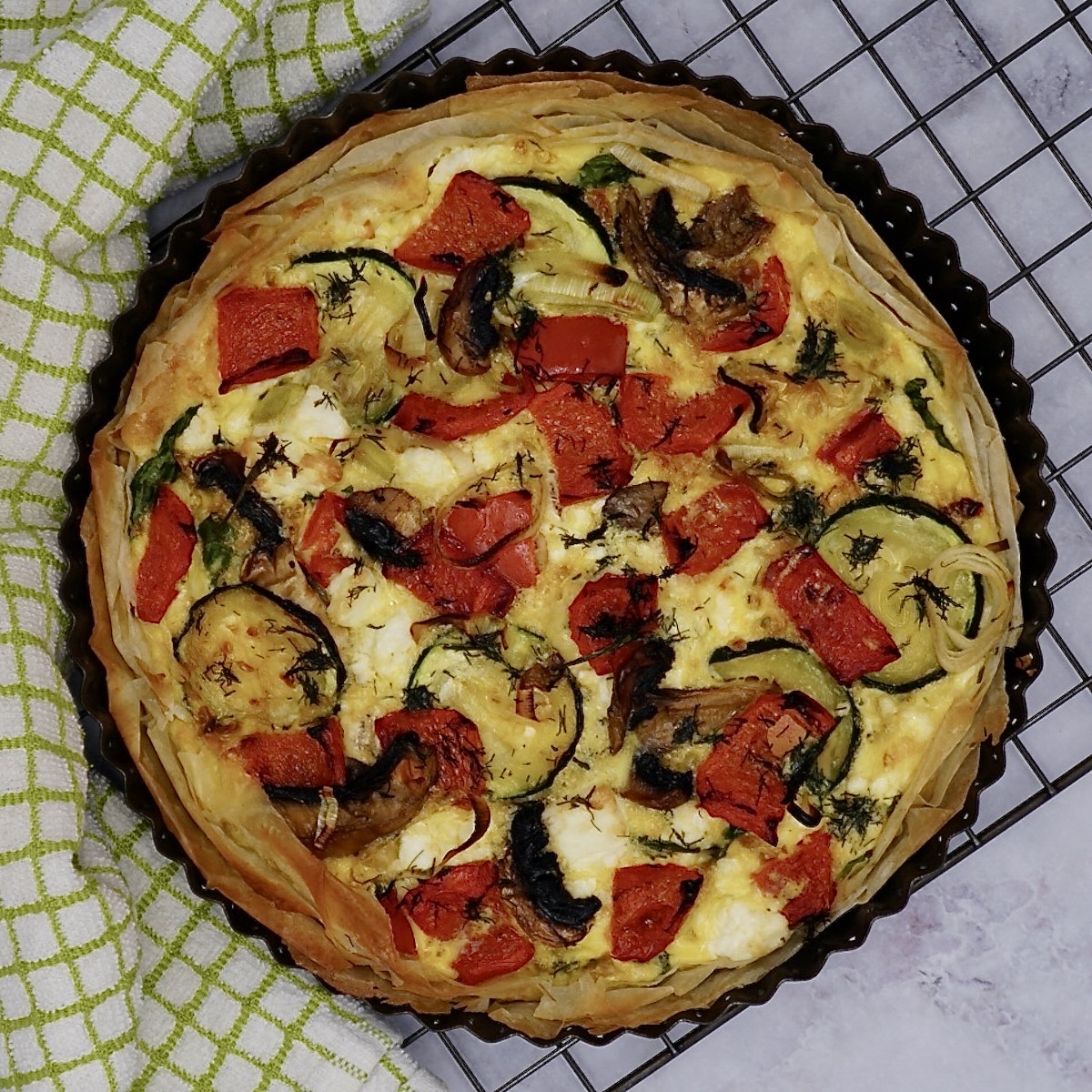
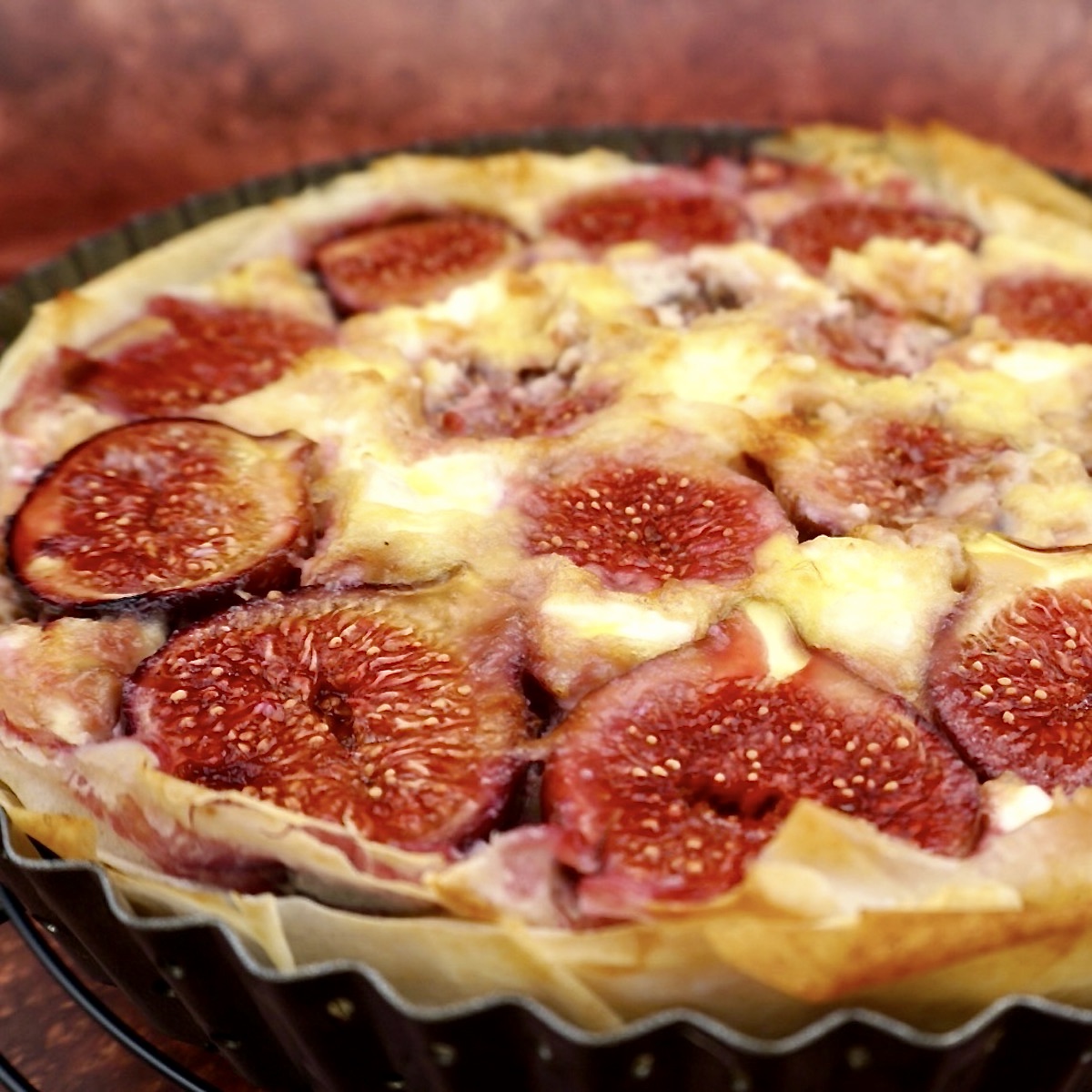
Make a case for a quiche or tart using three sheets of filo pastry. Lay the first sheet of filo over a quiche dish, brush with olive oil or melted butter and then fold the overhanging parts of the filo into position. Repeat using a total of three sheets of filo pastry. Use in recipes such as red pepper and fennel quiche or feta filo tart.
Make a filo crinkle tart
Start by lining a tart dish with filo as above.
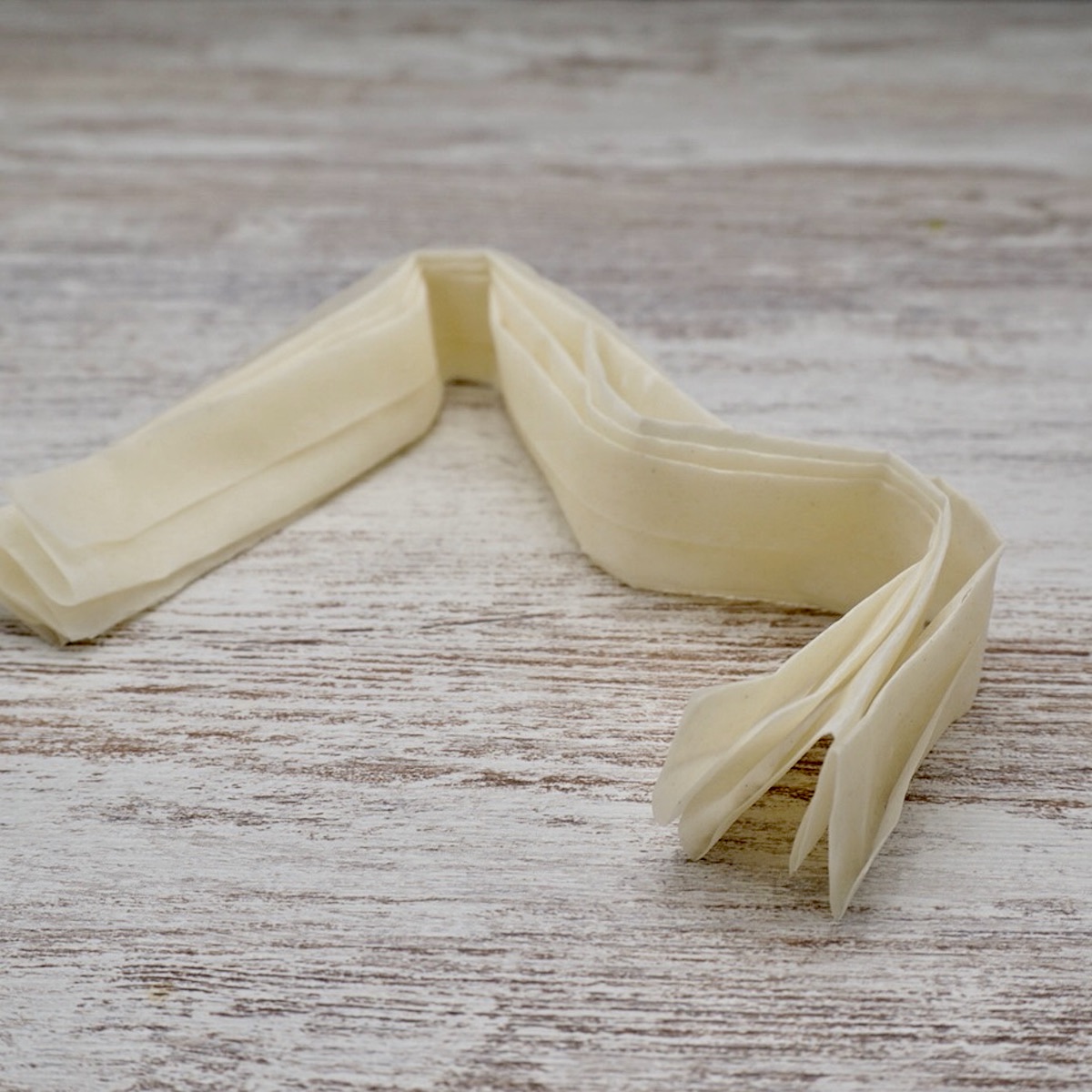
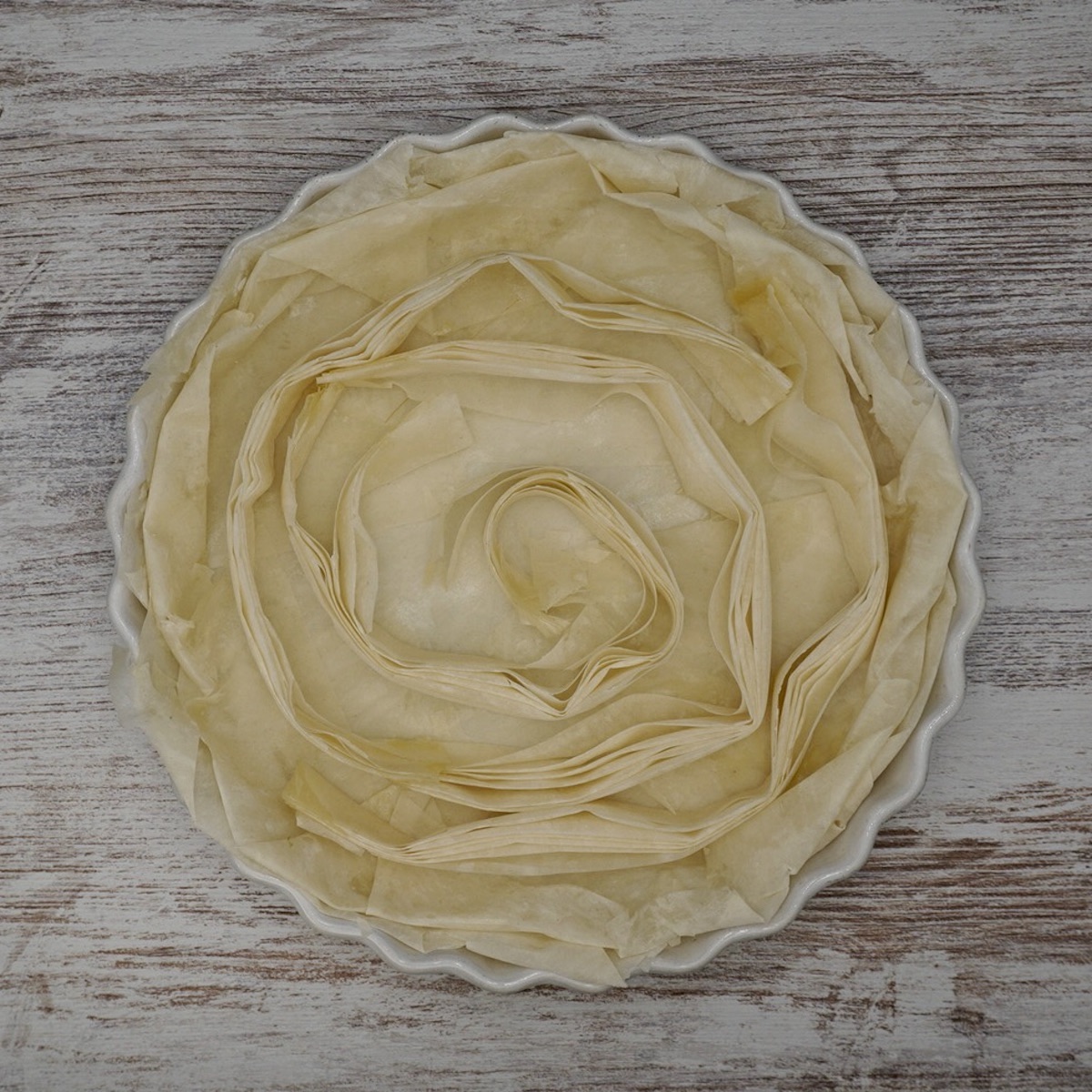
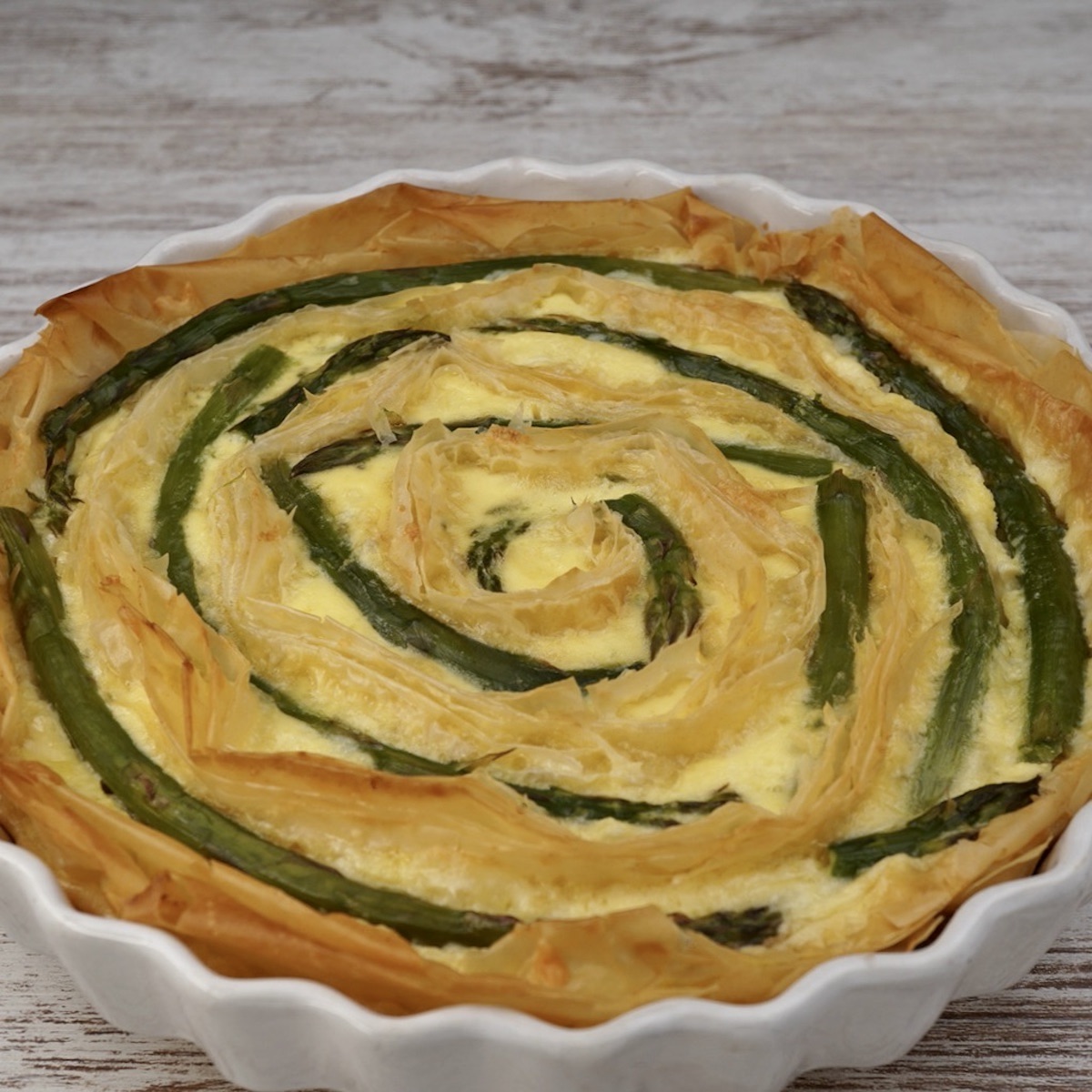
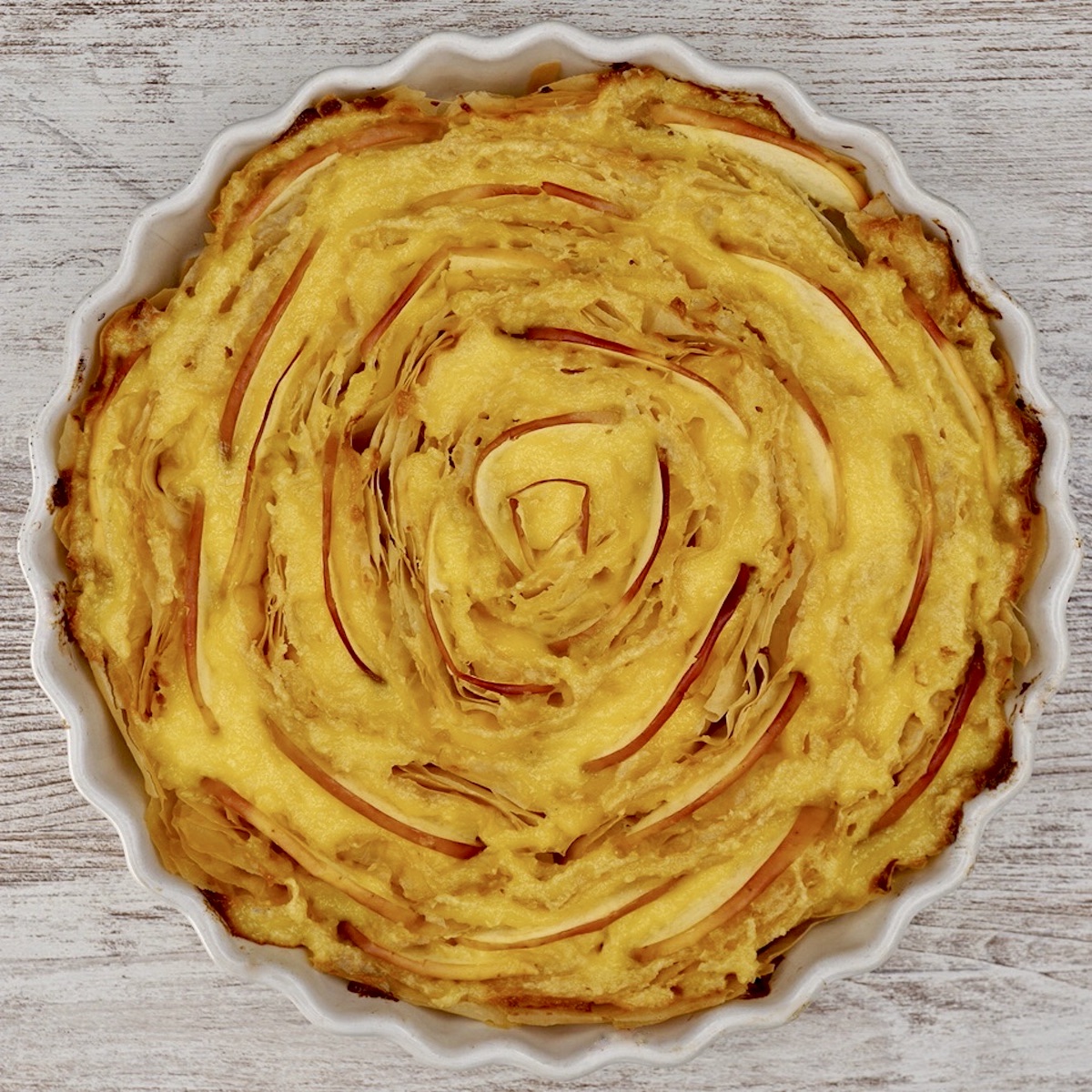
Cut one filo sheet in half to form two smaller rectangles. Fold each rectangle into a concertina about 1 centimetre wide. Place the pleated filo in the pastry case to form the start of a spiral starting in the centre. Brush the ends of the pleats with melted butter to help to hold them in place. Continue with further folded filo sheets until you have formed a spiral.
Bake until lightly golden, add your filling and then bake.
Use this method to make a savoury dish such as asparagus quiche or a dessert such as apple custard tart.
Alternatively, if using a rectangular dish you could arrange the pleated filo in parallel lines across the dish.
Make a filo parcel
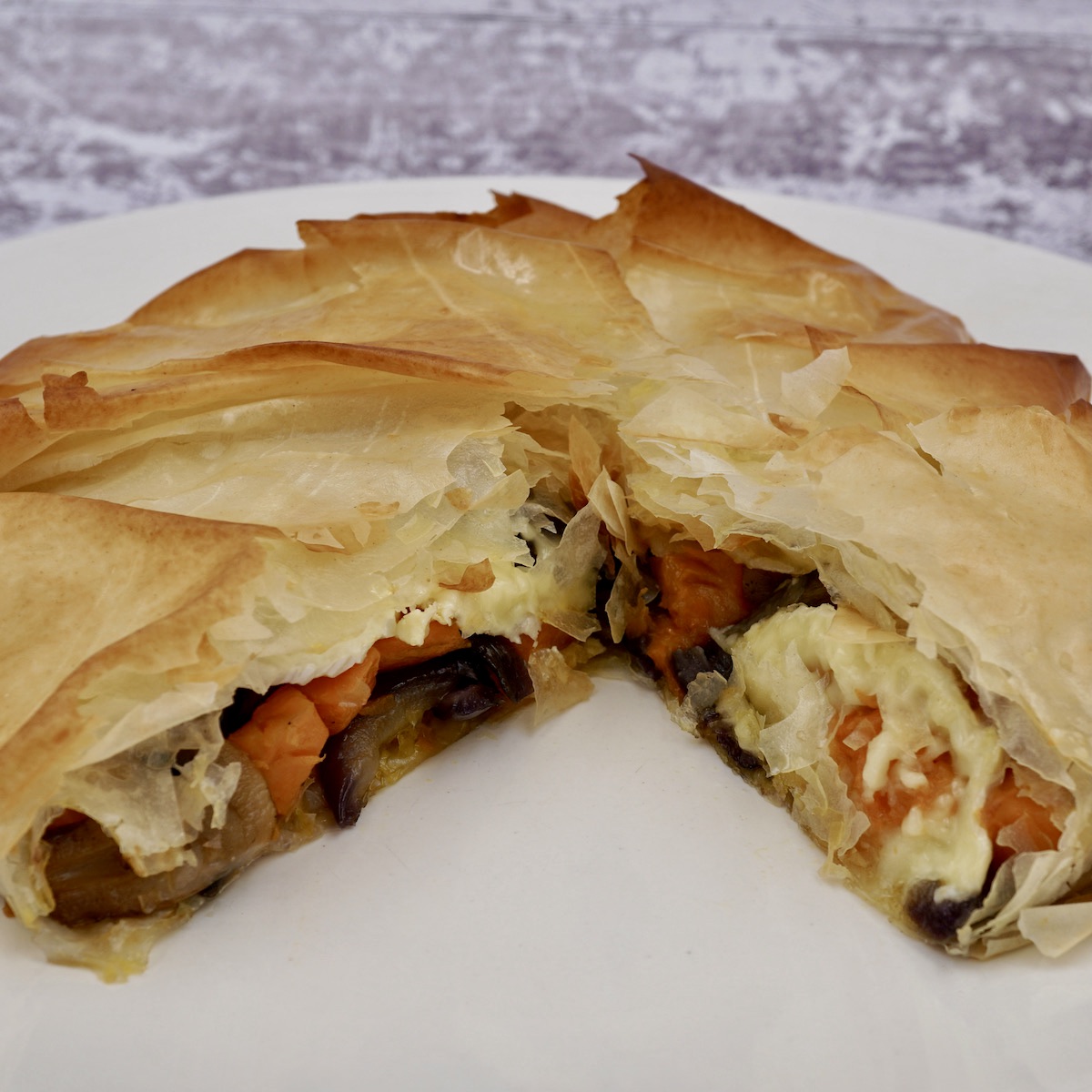
Create a light and crispy casing for either sweet or savoury recipes such as this vegetarian filo parcel. Use three layers of filo, brushed with olive oil or melted butter, to wrap around a pie filling before baking.
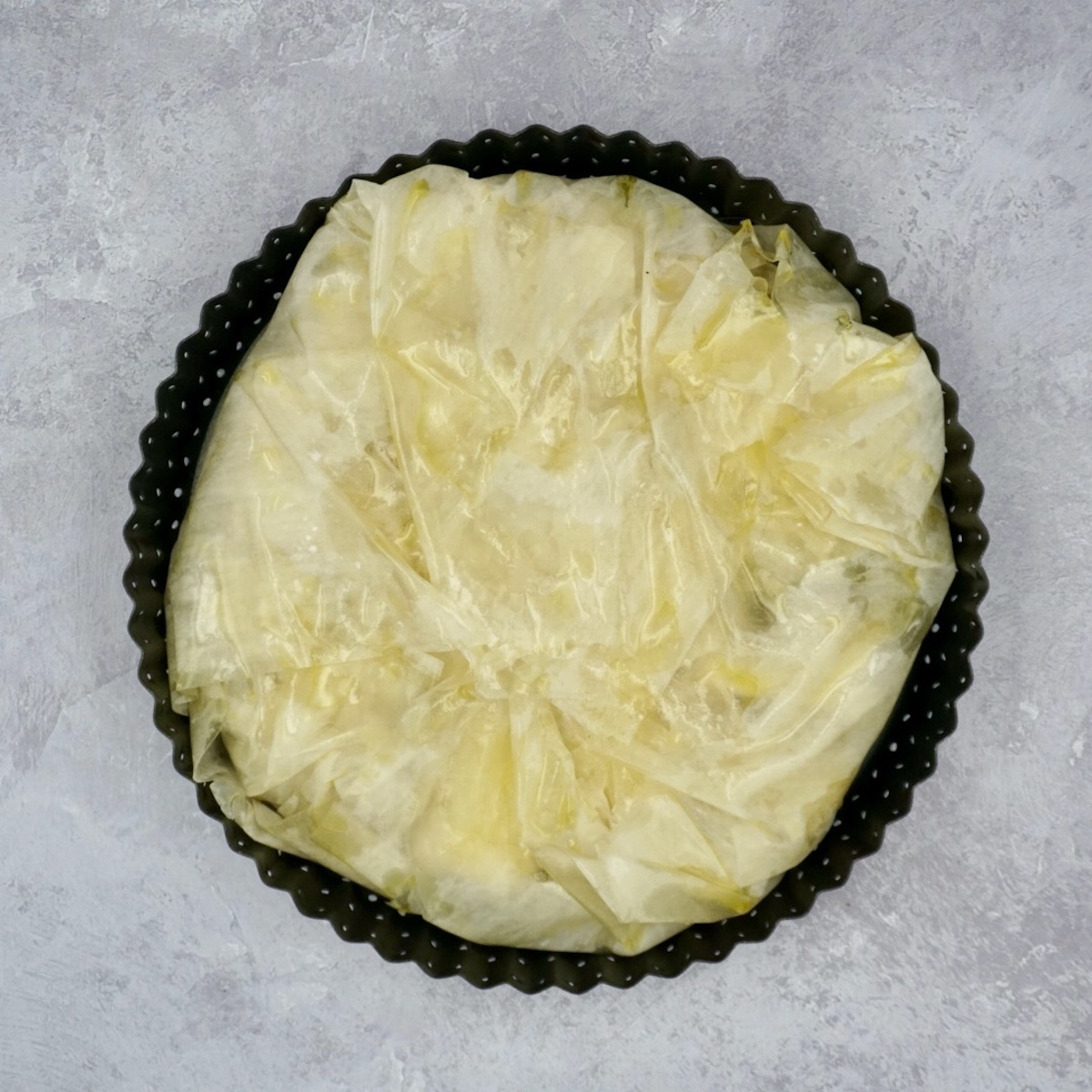
Make triangular filo parcels
Form filo sheets into triangular parcels to form a crispy layer around your filling as in this recipe for vegetable samosas. These filo parcels can be made in any size and can be baked or fried.
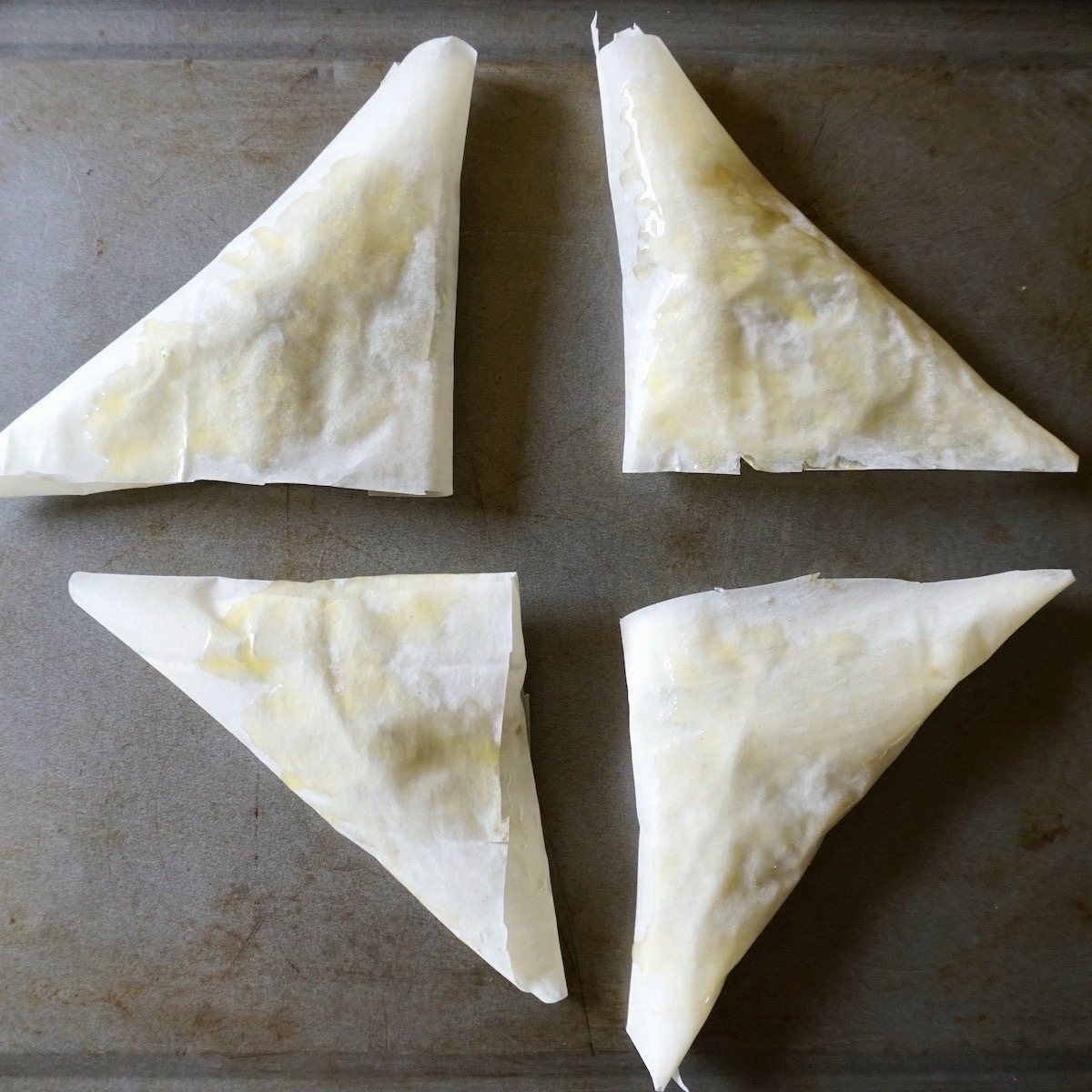
Make a filo spiral pie
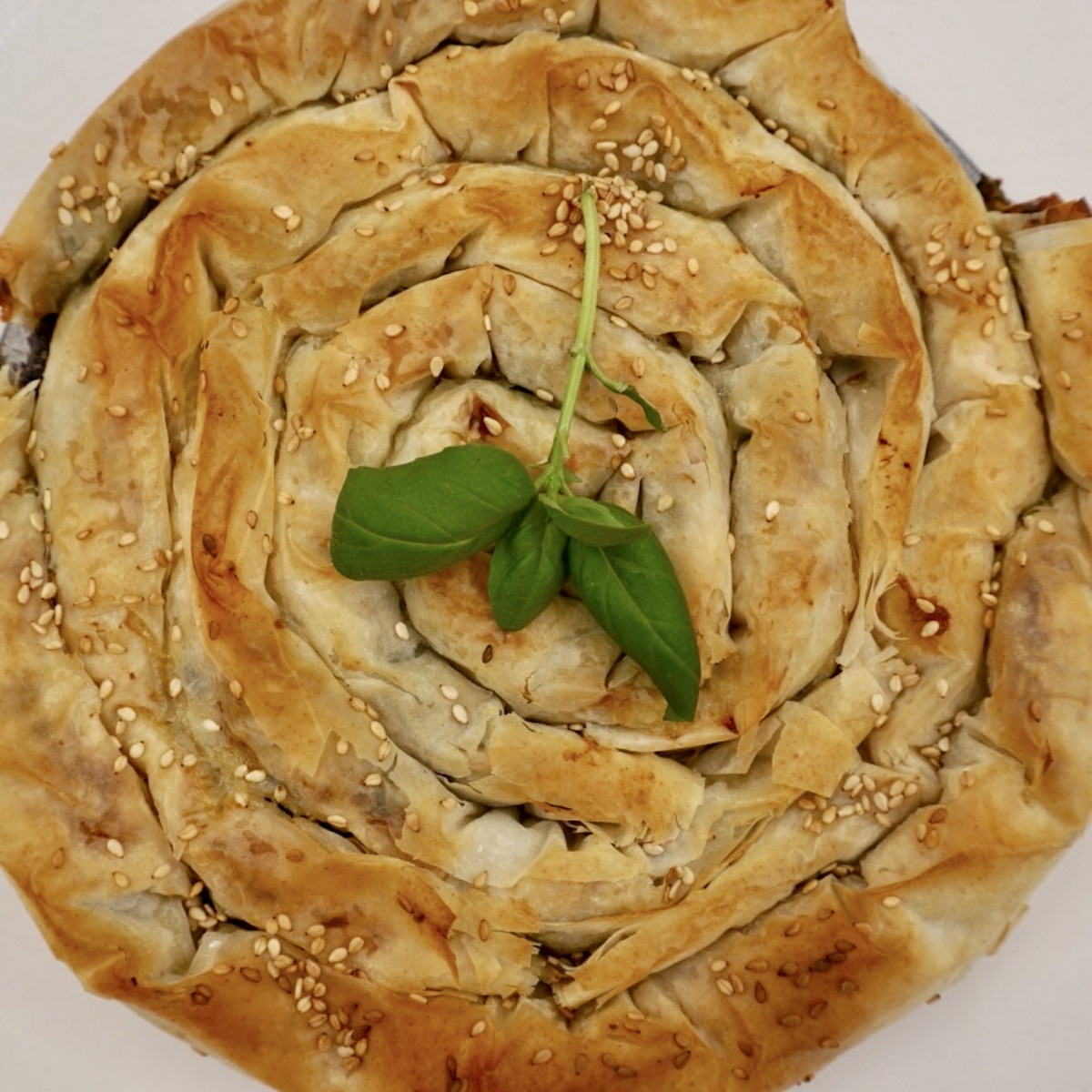
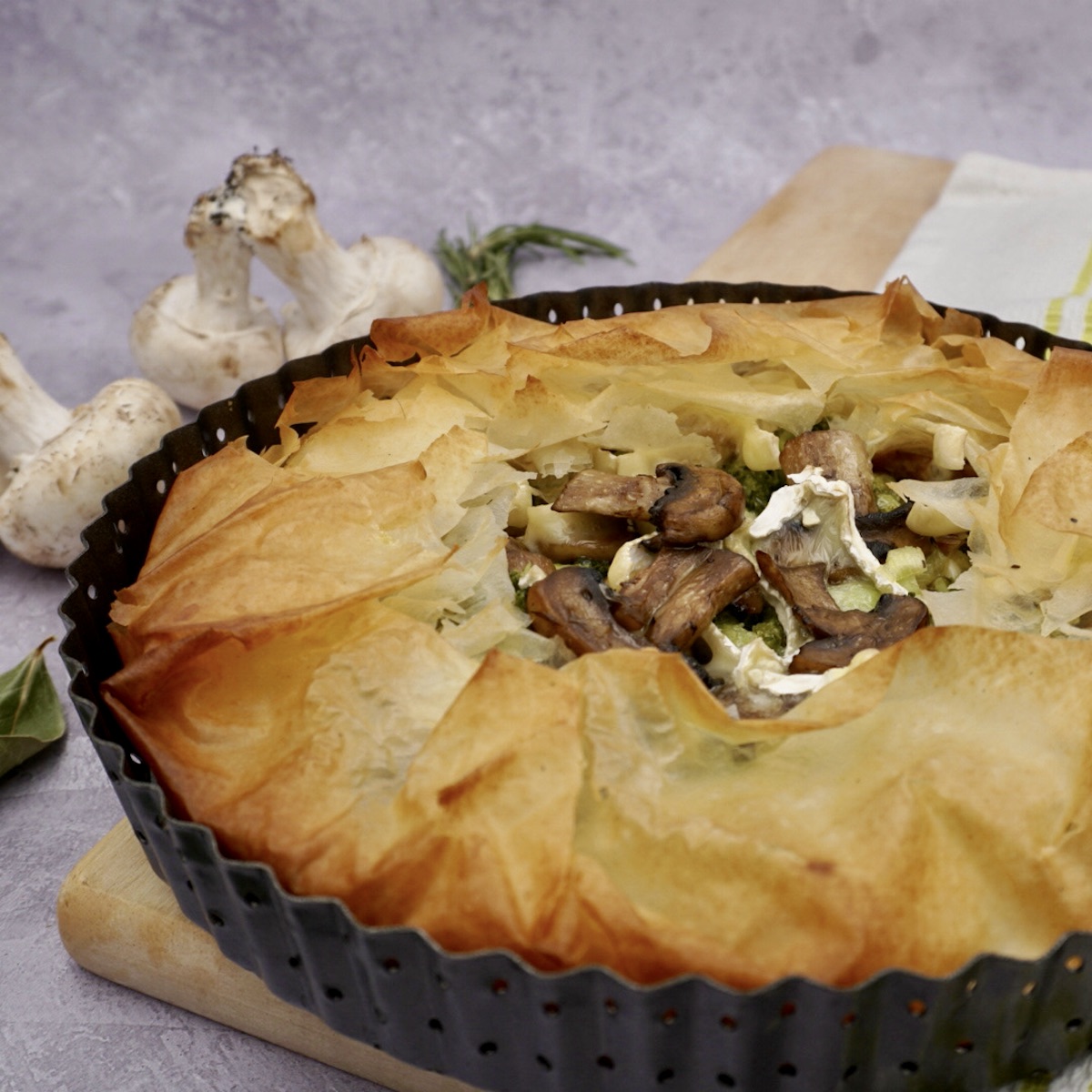
Roll filo around a filling to create filled tubes and arrange as a spiral before baking. See this recipe for a spiral spanakopita for more information and to see the finished result.
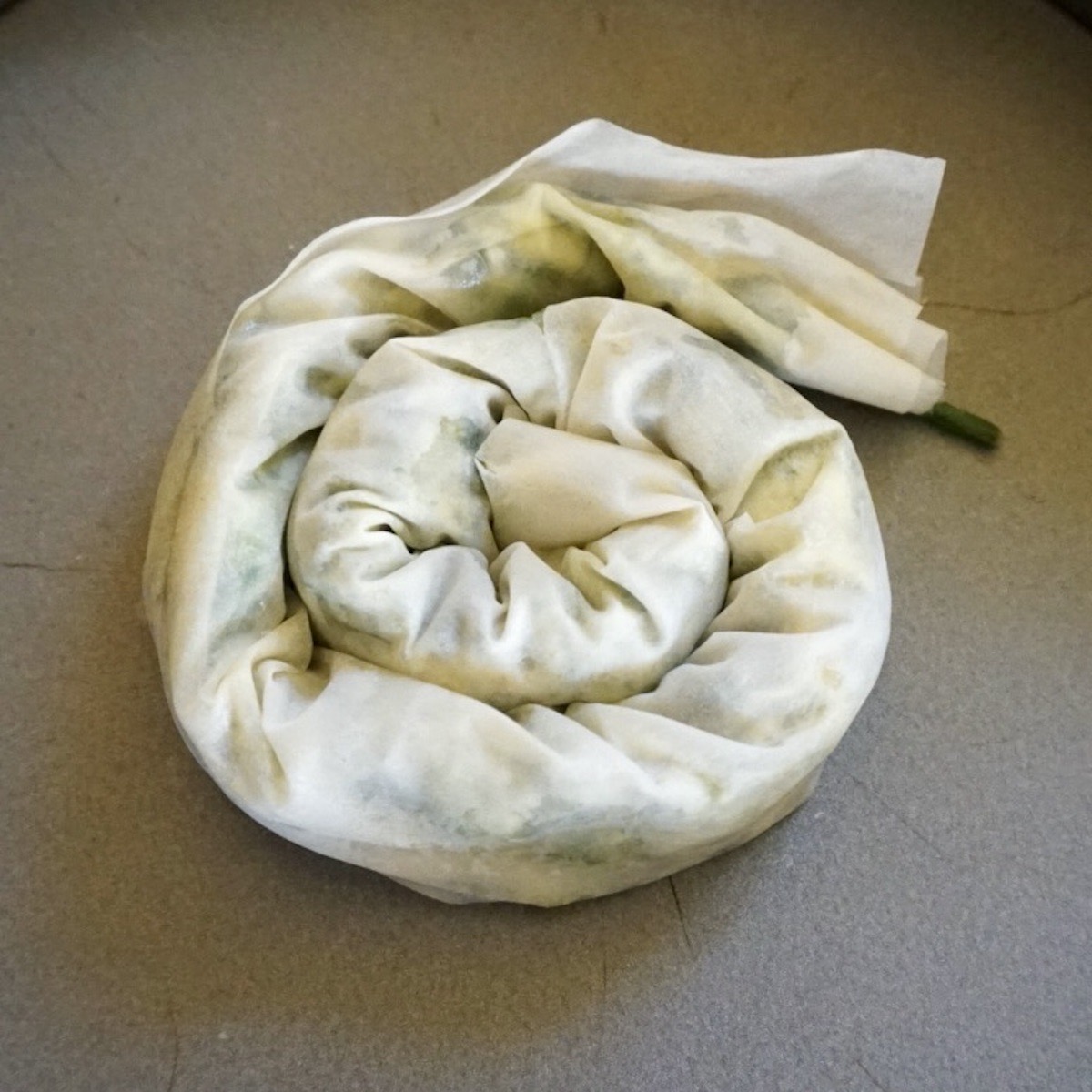
Common filo pastry mistakes (and how to fix them)
- Filo sheets cracking because they have dried out - keep the filo sheets wrapped until you are ready to use them.
- Filo not becoming crisp when baked - remember to brush with olive oil or butter before using.
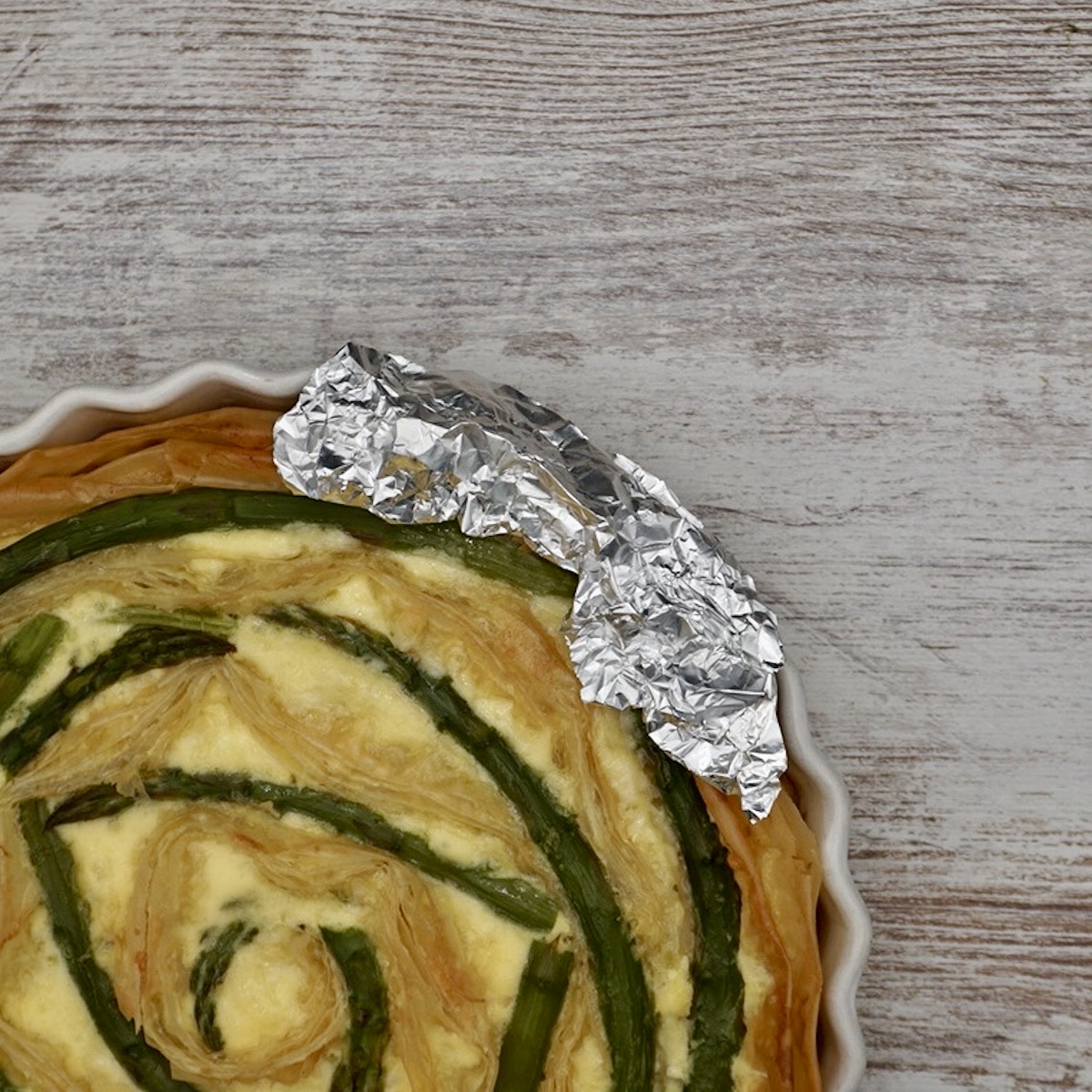
- Pastry burning before the rest of the dish has cooked - if any parts of the filo are cooking too quickly cover the affected parts with foil so that the rest of the dish will cook without the filo burning.
Tips for working with filo pastry
- If your filo sheets are frozen defrost at room temperature before using. Alternatively, defrost in the fridge and then allow to come to room temperature before using.
- Do not defrost filo in a microwave. There is a risk it will warm up and the sheets may stick together.
- Remove from the fridge so that the sheets come to room temperature before using to reduce the risk of the sheets splitting.
- Keep the filo sheets wrapped until you are ready to use them to prevent drying out.
- You will typically use three filo sheets layered on top of each unless specified otherwise in your recipe.
- Dab or brush the sheets with either olive oil or melted butter before adding the next sheet.
- Use a pastry brush to coat the filo sheets with oil or butter.
- Cut your cooked filo pastry dish using a sharp knife.
- If the edges of the filo pastry are cooking too quickly cover the affected parts with foil so that they do not continue to cook and burn.
Filo pastry, also known as phyllo pastry, is a type of pastry formed in thin sheets similar to paper. It is typically made using flour, water, oil and salt.
Typically you would use a minimum of three layers of filo pastry but this can vary depending on the recipe.
Vegetarian recipes using filo pastry



Leave a Reply